23 November 2026
Lifestyle and family life guide for UK GPs
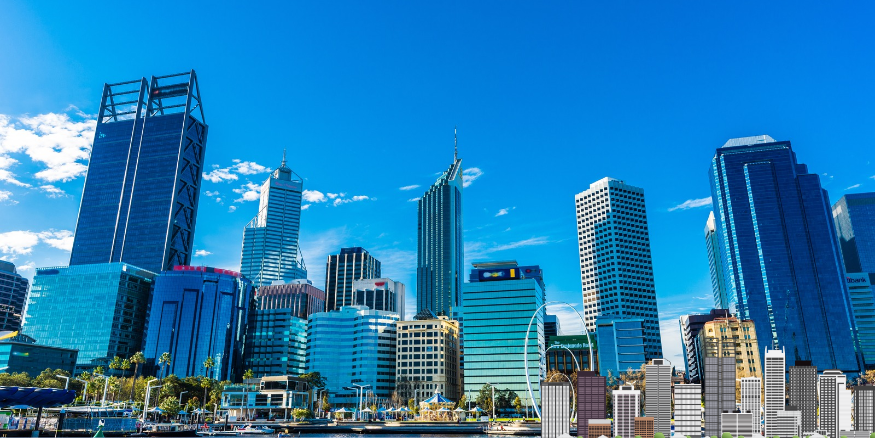
If you’re a UK GP thinking about relocating to Perth, you’ll be looking at a fast-growing city with a strong beach and outdoor culture, and the shortest time difference to the UK of any Australian capital. This guide covers what everyday life in Perth looks like. For current vacancies, see our Perth GP roles, click the link above.
Perth at a glance
Perth is the capital of Western Australia, on the Swan River and the Indian Ocean coast. Around 2.45 million people lived in Greater Perth in June 2025. In the year to June 2025, it had the highest population growth rate of any Australian capital city.
The metro area stretches a long way along the coast, from Yanchep in the north to Mandurah in the south. Where you live makes a real difference to daily life, so it’s worth thinking about your commute to the practice early.
Climate and outdoor life
Perth has hot, dry summers and mild, wetter winters. The long-term average daily high is around 32°C in February, the hottest month, and around 18.5°C in July, the coolest. Most of the year’s rain falls in winter, and summers are mostly dry. Heatwaves are a feature of most summers, with occasional days above 40°C.
Life in Perth is built around the outdoors. There are city beaches along the coast, such as Cottesloe and Scarborough, and Rottnest Island, which is car-free, is a short ferry ride from Perth and Fremantle. Kings Park, close to the city centre, combines bushland, botanic gardens and views over the river. For weekends, the Swan Valley wine region is close to the city, and the Margaret River region in the south-west is a popular longer trip.
Family life and schools
Western Australian schooling starts with part-time Kindergarten in the year a child turns four. Pre-primary follows, then Years 1 to 12. The school year runs from late January or early February to December, in four terms. There’s also a wide range of Catholic and independent schools.
School fees are an important point for families moving to Perth. Western Australia charges a tuition fee for the children of 457 and 482 visa holders who attend public schools. The published fee has been AUD $4,000 per family per year, however many children are enrolled. The fee was waived for 2024, so check the current position with TAFE International Western Australia, which manages it. Some employers pay this fee for their employees, so it’s worth raising when discussing any offer. Australian citizens and permanent residents don’t pay tuition fees. We can talk this through with you as part of planning your move.
Culture and things to do
Fremantle, at the mouth of the Swan River, is known for its markets, heritage buildings and harbour. In Perth itself, the Perth Cultural Centre is home to the Art Gallery of Western Australia, the WA Museum Boola Bardip and the State Library. Sport is popular too, with AFL, cricket and other events held at Optus Stadium.
Getting around
Transperth runs the city’s buses, trains and ferries. Since 1st January 2026, a flat “Go Anywhere Fare” of $2.80, using a SmartRider card with autoload, covers travel across the whole network for up to three hours. Travel is also free on Sundays, and students travel free to and from school. The rail network has grown in recent years through the METRONET programme, including the Airport Line and the Ellenbrook Line.
Staying in touch with home
Western Australia doesn’t use daylight saving time. That means Perth is 8 hours ahead of the UK during the UK winter and 7 hours ahead during British Summer Time. That’s the shortest time difference of any Australian capital, which makes calls home easier to fit around the working day.
Thinking about Perth?
If Perth sounds like a good fit for you and your family, take a look at our current GP roles in the area, click here.
Or get in touch for a confidential conversation about registration, visas and timelines. Call us on 0113 868 2333 or email [email protected].